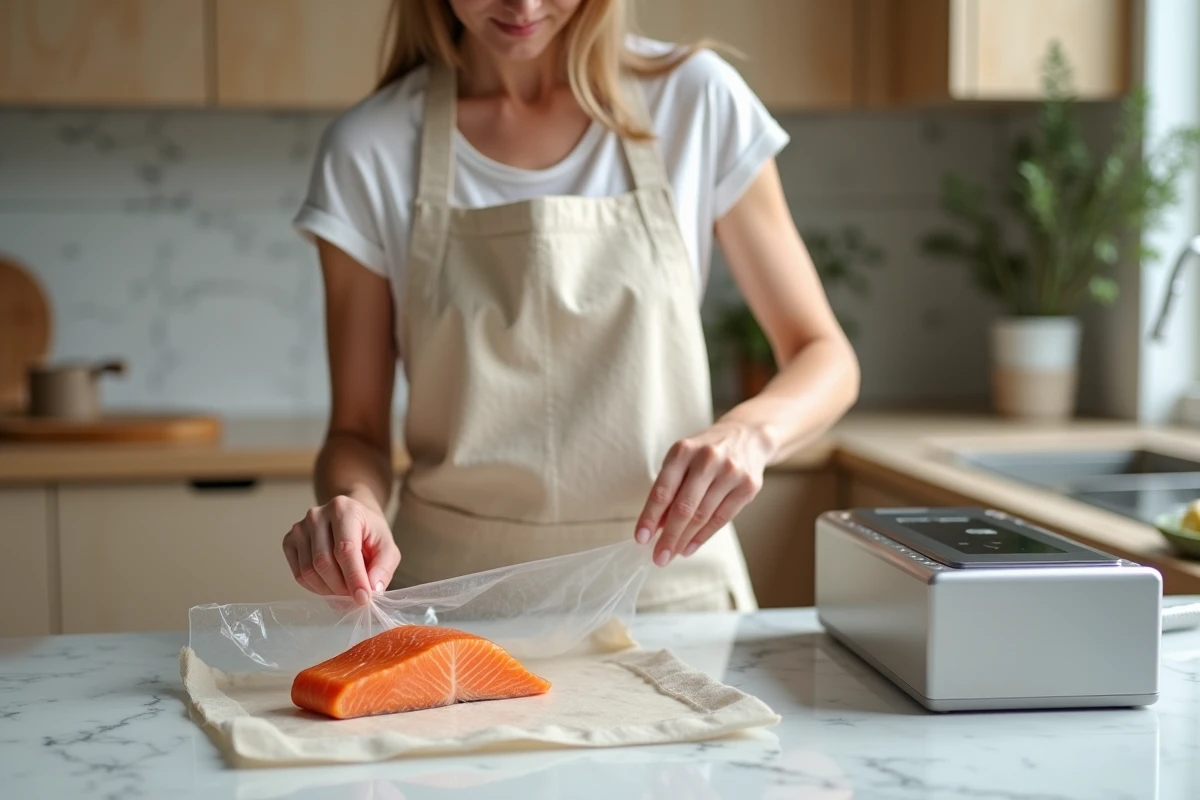
You come back from the market with fresh meat, garden vegetables, and a leftover cooked dish. Not everything will be consumed in two days. The vacuum machine seems to be the ideal solution, but it does not replace all preservation methods. Choosing your device well starts with understanding what you really want to protect and how often.
Vacuum, jars, or refrigeration: adapting the method to each food
Before comparing machines, ask yourself a simple question: which foods do you preserve most often? The answer radically changes the type of equipment that is useful.
Vacuum sealing excels for raw meats, fish, and cooked dishes. It slows down oxidation and inhibits bacterial growth by removing oxygen from the bag. For these products, the shelf life in the refrigerator is multiplied by three to five.
For delicate fruits (strawberries, raspberries) or tender-textured vegetables (ripe tomatoes, fresh mushrooms), vacuum sealing crushes the flesh. A simple glass jar or an airtight container placed in the refrigerator is more suitable. Soft cheeses pose a similar problem: vacuum sealing compresses their texture and halts their aging. It is better to wrap them in suitable food paper.
Dry products (pasta, rice, spices, coffee) preserve very well under vacuum, but an airtight jar does the same job for a fraction of the cost in consumables. Reserve your vacuum bags for foods that oxidize or degrade quickly.
Combining a vacuum machine, jars, and simple refrigeration is more effective than using a single system for everything. It is also more economical in bags. Resources like machine-sous-vide.xyz allow you to compare the uses suited to each type of product.
External suction or chamber machine: which type for which use
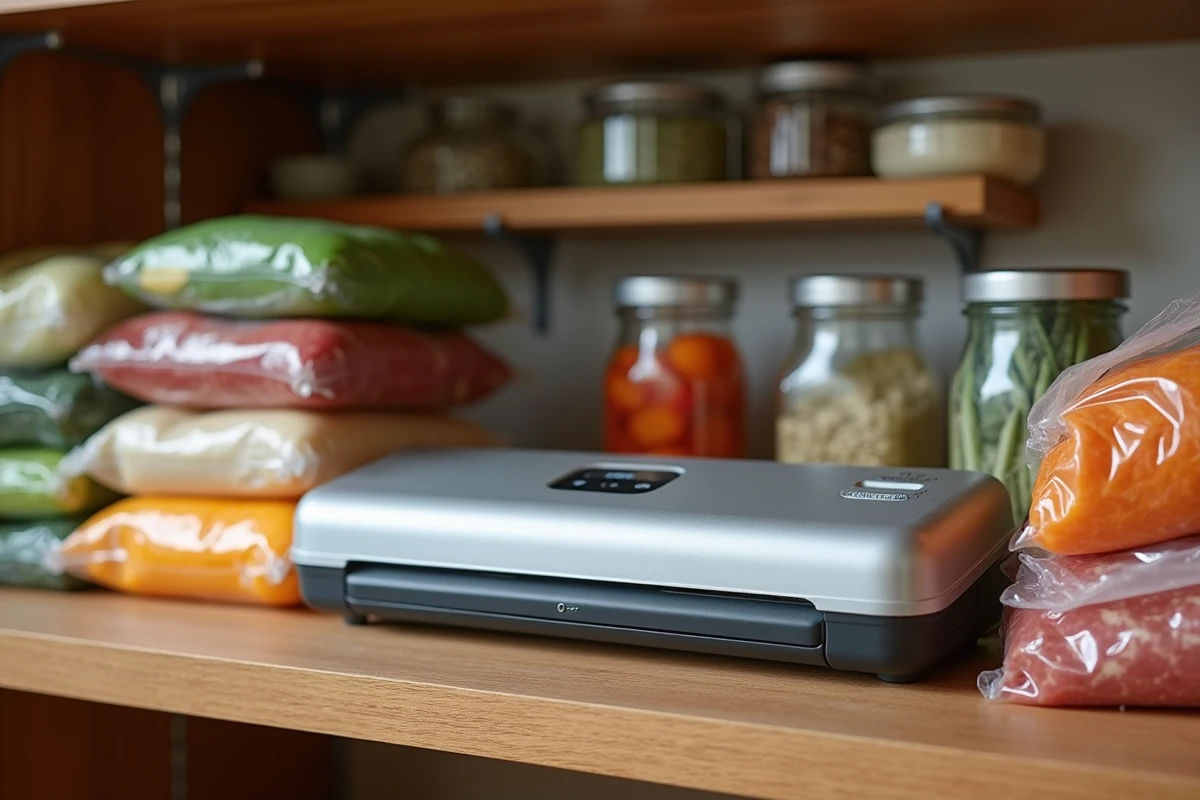
There are two main families of machines. The choice between the two does not depend solely on budget, but on the type of food you vacuum seal most often.
External suction machine
This is the most common model in home kitchens. A pump sucks the air from the opening of the bag, and then a sealing bar seals the bag. The device is compact, lightweight, and its entry price remains accessible.
Its limitation: it does not handle liquids well. If you suck a bag containing a marinade or sauce, the liquid rises into the pump before the vacuum is complete. To circumvent this problem, you need to freeze the liquid beforehand or use special bags with an absorbent area, which complicates usage.
Chamber machine
Here, the entire bag is placed in a hermetic chamber. The pump removes air from the entire chamber, not just the bag. The result: liquids stay in place during suction, which changes everything for marinades, soups, or saucy dishes.
The format is bulkier and heavier. The price is significantly higher. This type of device is justified if you regularly prepare batch-cooked dishes or practice sous-vide cooking (low temperature).
Technical criteria for choosing your food vacuum machine
You have identified your needs and the type of machine suited to them. Now, let’s examine the technical details that make a difference in daily use.
- Power of the pump: it determines the speed and depth of the vacuum. A more powerful pump removes more air, which improves the preservation of meats and fish. For regular home use, aim for a pump that is powerful enough to achieve a high vacuum level in less than thirty seconds.
- Length of the sealing bar: it determines the maximum width of usable bags. A 30 cm seal is suitable for most common uses. If you are packaging whole cuts of meat or fish, a wider bar (40 cm or more) avoids having to cut portions.
- Compatibility with rigid containers: some machines include a suction nozzle for jars or reusable boxes. This is a concrete advantage if you want to preserve preparations without using disposable bags every time.
- Quality of bags and cost of consumables: embossed bags (for external suction) cost more per meter than smooth bags (for chamber machines). Over a year of regular use, this price difference weighs more than the initial cost of the machine.

Maintenance and hygiene: what choice guides often overlook
A poorly maintained vacuum machine produces faulty seals. The bag appears sealed, but a micro-leak lets air in. Within a few days, the food degrades without any visible external signs.
Clean the sealing bar after each packaging session. Residues of grease or food juices on the heating area prevent the plastic from sealing properly. A damp cloth is enough, but it must be done systematically.
Also check the pump seal. On external suction machines, this seal wears out over time and gradually reduces the quality of the vacuum. A replacement every year or two (depending on usage frequency) maintains suction performance.
Vacuum bags cannot be reused after contact with raw meat or fish. For dry products, rinsing and complete drying allow for a second use. Prefer rolls of custom-cut bags rather than pre-cut pouches: less waste and a format suited to each food.
Choosing a vacuum machine is not just about the technical specifications of the device. It is the alignment between your eating habits, the types of products you store, and the regularity of your use that determines whether the investment is worth the cost in bags and maintenance.