
The year 2026 reshuffles the cards on several simultaneous fronts. Between AAA releases pushing back their dates to avoid a collision with Grand Theft Auto VI, a European regulation tightening the noose on virtual currencies, and an emerging legal debate on the preservation of digital games, the gaming landscape is transforming well beyond simple launch calendars.
Virtual currencies and in-game purchases: the European framework that changes the game
The Consumer Protection Cooperation Network has initiated a coordinated action targeting monetization practices in video games. The controls focus on the mandatory display of the actual price in local currency, the limitation of multiple currencies that obscure the real cost of purchases, the right of withdrawal, imposed purchases, and marketing targeting children.
This regulatory offensive directly affects the business models of continuous service titles on PlayStation, Xbox, and PC. Studios relying on point or gem systems will need to revise their shop interface for European players.
Potentially addictive mechanisms are also under scrutiny. Loot boxes, limited-time season passes, and FOMO (fear of missing out) systems are subject to enhanced examination. To follow the latest from La Minute De Jeu on these topics, this is an angle that most release calendars ignore, even though it conditions the actual experience of players on a daily basis.
Preservation of digital games: an issue ignored by release calendars
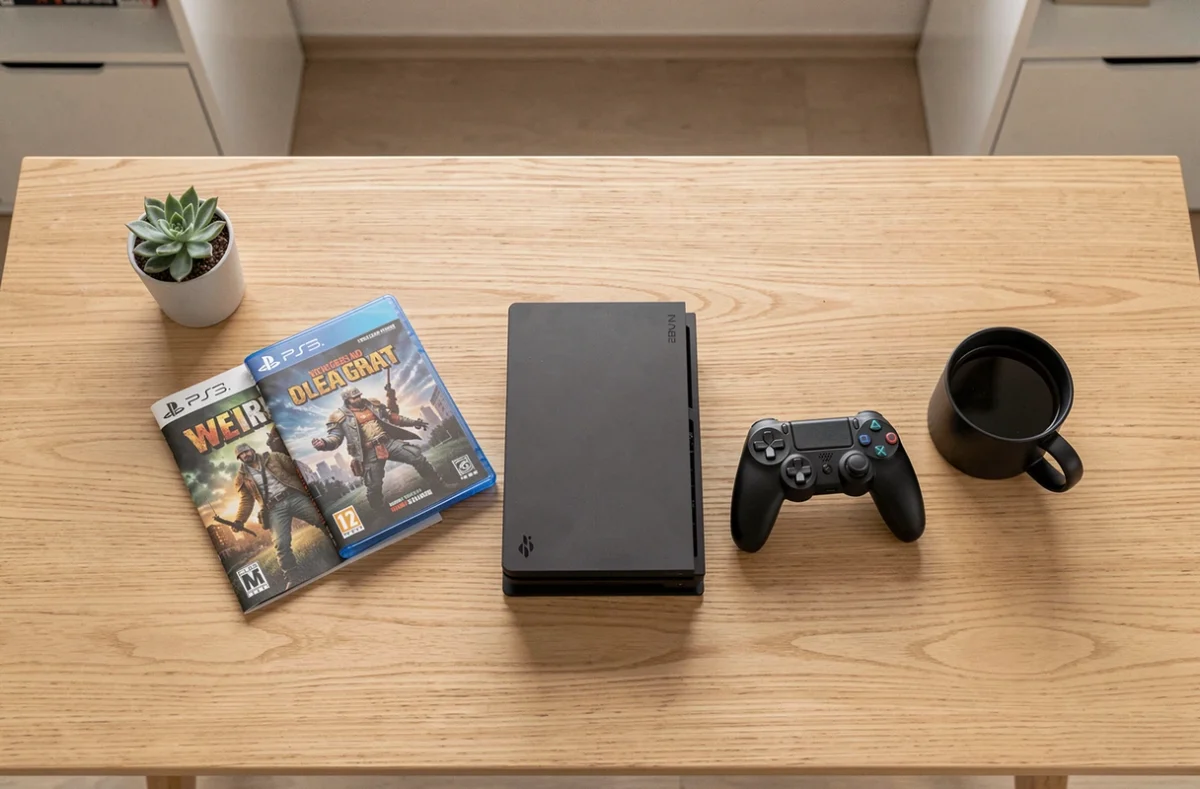
A purchased game can lose entire parts of its content when servers and editorial strategies evolve. This structural problem affects all continuous service titles, where updates can remove game modes, maps, or campaigns already paid for by players.
Legislators are working on preservation obligations that would force platforms (Steam, PlayStation Store, Xbox Store) to guarantee offline access or archiving of games whose servers shut down. The text is still in draft form, but it reveals a growing concern about the legal and technical lifespan of titles after their launch.
This issue redefines the very notion of “newness.” A game launched in 2026 with a continuous service model offers no guarantee on the content accessible in three or five years. Players investing in a long-term narrative or strategic universe should factor this parameter into their purchasing decisions.
Video game releases fall 2026: the titles that structure the calendar
Grand Theft Auto VI remains the giant that reorganizes the entire editorial schedule. Many studios have shifted their release dates to avoid a direct confrontation, concentrating launches in September and pushing other titles to early 2027.
This editorial caution creates a bottleneck upstream: studios wanting to avoid GTA VI find themselves competing against each other in narrower launch windows. The RPG segment remains particularly dense, targeting a loyal audience that does not postpone its purchases based on blockbusters.
Board games 2026: new releases and market trends in Europe
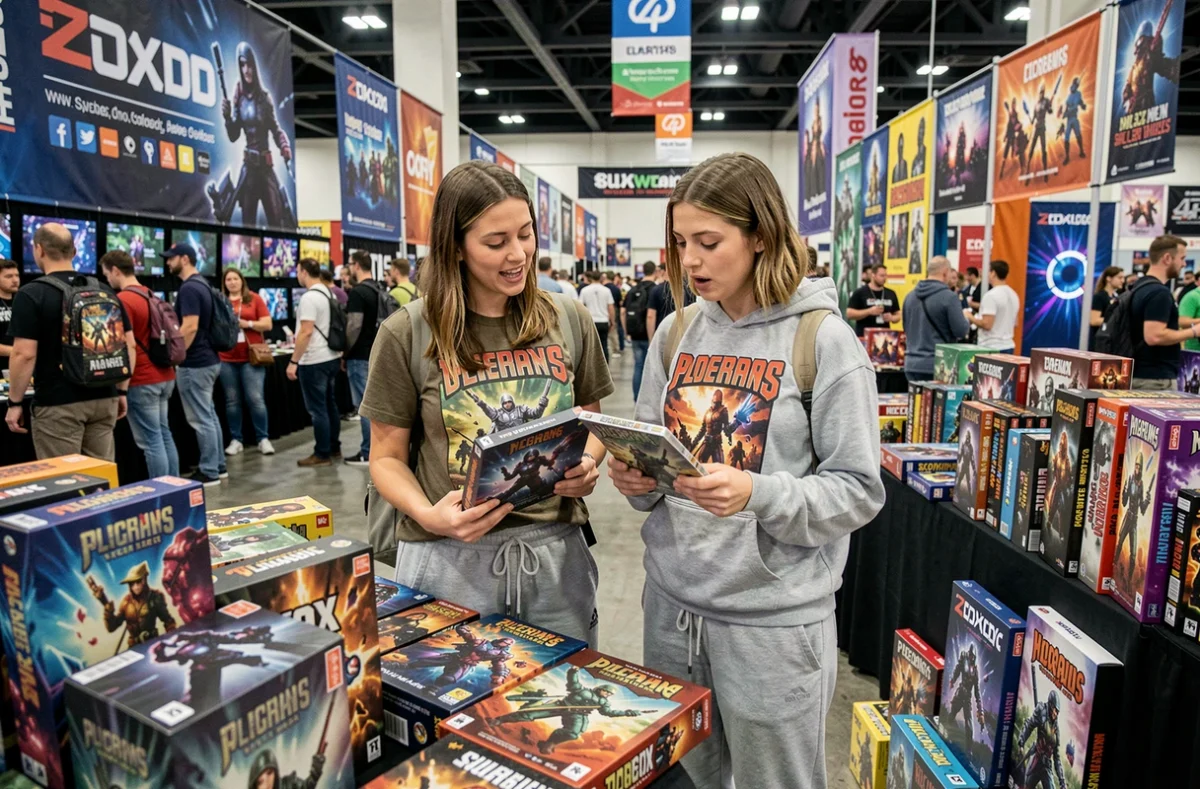
The board game sector is experiencing a surge that touches all audiences, with European production on the rise. The cost of manufacturing in Europe remains a sensitive topic for publishers, amid rising raw material costs and a desire to relocate production outside of Asia.
The editorial trends of the year favor short formats (games lasting less than thirty minutes) and cooperative games suitable for family play. Legacy mechanics, where the board and rules evolve from one game to another, continue to attract experienced players.
The diversity of the 2026 catalogs reflects a mature market where card games sit alongside narrative games with branching stories. European publishers are expanding their ranges to appeal to both casual players and strategy enthusiasts.
Support for studios and production context
Without appropriate tax incentives, independent studios struggle to finance ambitious productions. The development cost of a AAA title has significantly increased, pushing many creators towards the independent segment or partnerships with major publishers.
This economic context partly explains the concentration of releases around a few key windows and the caution of studios in the face of simultaneous launches with giants like GTA VI. The world of video games in 2026 is read as much by its releases as by its delays and production trade-offs.
The 2026 season is not just a list of dates on a calendar. The rules of the game are literally changing, between regulation of in-game purchases, preservation of digital heritage, and economic pressures on studios. Choosing upcoming titles with informed awareness means looking beyond the trailer.