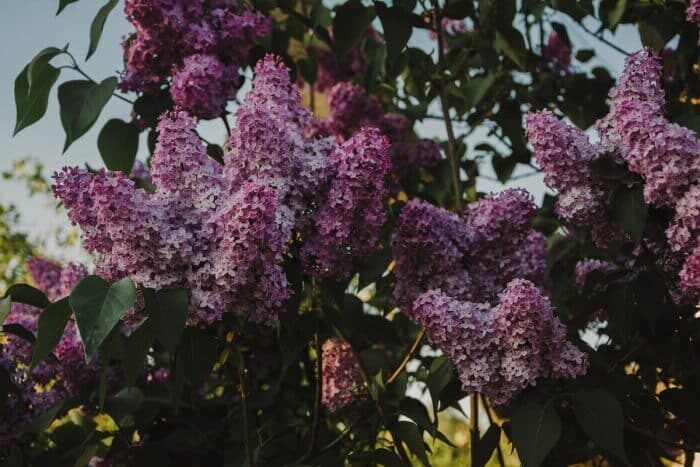
The maintenance of plantations is an art that requires specific skills. Among these skills, pruning the plantations, particularly that of the mock orange, is essential to stimulate its flowering. This bush, with its lush blooms and fragrant white flowers, is a feast for the eyes and the senses. It reveals its true beauty only if cared for properly. Appropriate maintenance, including regular pruning, can work wonders for the health and flowering of this bush. But how can this pruning be done effectively? This is what we will explore.
The origins of the mock orange: a plant with a fascinating history
Pruning the mock orange, when done regularly, offers many advantages. It helps to maintain the shape and aesthetics of the bush by trimming it to retain a harmonious silhouette. By removing dead or damaged branches, the overall health of the mock orange is also promoted.
In addition to its visual appeal, regular pruning helps to stimulate flowering. By shortening certain branches, new shoots are encouraged, leading to abundant and colorful flowers. It should be noted that this operation should be performed in spring after flowering to avoid compromising future blooms.
Another notable benefit is the improvement of air and light circulation within the bush through proper pruning. This reduces the risk of fungal infections while promoting optimal development of flower buds.
To carry out effective pruning of the mock orange, you must cut dead branches back to their point of origin to prevent any further spread of diseases. Lightly trim the tips of other branches to encourage branching and thus increase the potentially infinite number of future flower buds.
Care must be taken to ensure that each cut is precisely calibrated to avoid fatal errors. Indeed, excessive pruning can lead to a lack of flowering, while insufficient pruning can result in overcrowding of the bush.
Once the pruning is done, it is recommended to apply a suitable fertilizer to promote the development of new shoots and improve the overall health of the mock orange. Regular but moderate watering is also necessary to keep the soil moist without causing water stagnation that could harm the bush.
Regular pruning of the mock orange presents numerous benefits in terms of aesthetics and stimulation of its flowering. You must carry out these operations to avoid fatal mistakes that could compromise its future development.
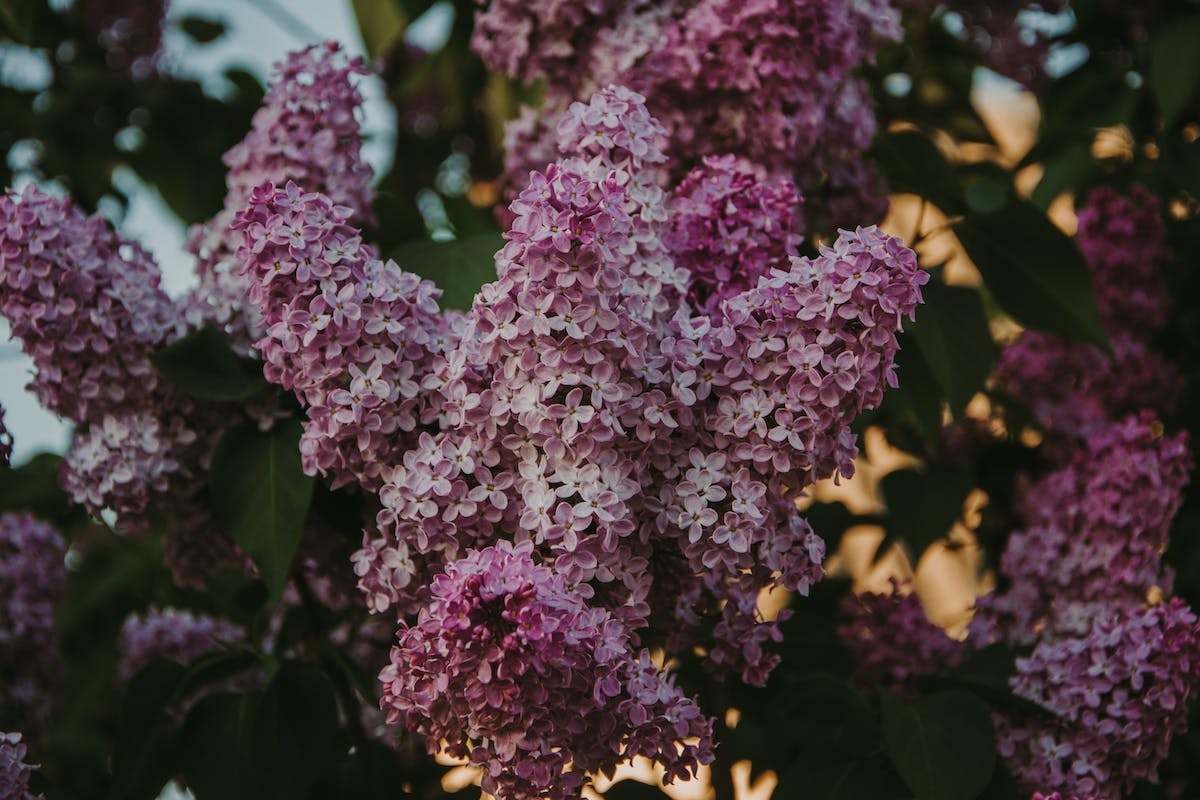
Mock orange: the benefits of regular pruning for abundant flowering
Before proceeding with the pruning of the mock orange, you should follow a few preliminary steps that will ensure the success of the operation. You need to identify the dead or diseased branches. These must be removed to prevent the spread of diseases and promote healthy growth.
You should disinfect your tools before each use to avoid any contamination between different plants.
Once this step is completed, you can move on to the actual pruning of the mock orange. Start by removing all dead branches back to their point of origin by making a clean and angled cut outward from the bush. This will facilitate the healing of wounds while limiting the risk of developing fungi or other pathogens.
Focus on removing poorly oriented or crossing branches. Always prioritize those directed inward toward the bush to aerate its center and allow for better air circulation and optimal light access.
When pruning these unwanted branches, be sure to make clean cuts close to the collar without damaging the bark. A cut that is too low may cause irreparable injuries, while a cut that is too high would leave an unsightly stub.
Finish the pruning by slightly shortening the remaining branches to stimulate their branching and thus encourage the appearance of new flower buds. You should cut just above a node or bud directed outward from the bush to guide future growth in the right direction.
Once all these preliminary steps have been carefully completed, you can admire the result. Your mock orange will have regained its harmonious shape and will benefit from optimal air circulation that will promote abundant and vibrant flowering.
Remember that each mock orange is unique and may require specific adjustments during pruning. So take the time to carefully observe your shrub before proceeding with any operation to achieve the best possible results.
By following these preliminary steps meticulously and using the right tools, you will be able to prune your mock orange effectively to stimulate its flowering. Then fully enjoy the beauty and enchanting fragrance of the flowers that will adorn your garden throughout the summer.
Before pruning: essential preliminary steps for success
Now let’s review the different pruning techniques that will help stimulate the flowering of the mock orange. A commonly used technique is the cup pruning. This involves removing the lower branches on the lower third of the shrub, creating an upside-down cup shape. This method encourages the development of a strong, straight trunk while allowing sunlight to easily reach all parts of the mock orange.
Another popular approach is light pruning, often done after spring flowering. It involves removing only a third of the old stems to encourage vigorous new growth. This will ensure not only an abundance of flowers for the following year but also stronger and more resilient branches.
There is also a technique called severe pruning or drastic pruning. Unlike other methods, this approach involves cutting almost all stems back to 30 centimeters above the ground. Although this may seem radical, this operation forces the mock orange to regenerate quickly and generally produces an impressive profusion of flowers in the following years.
We cannot discuss pruning techniques without mentioning thinning. This is a method particularly aimed at overly dense or poorly shaped bushes. By judiciously removing certain stems, you allow light to penetrate more easily into the shrub, thus stimulating growth and flowering. However, be careful not to remove more than one-third of the main branches to maintain a solid structure.
Regardless of the technique chosen, you should ideally practice it just after spring flowering or at the end of winter before the active start of vegetative growth.
Pruning a mock orange to stimulate its flowering requires some prior knowledge and a certain mastery of the different techniques available. Whether you opt for cup pruning, light pruning, severe pruning, or meticulous thinning, always ensure to respect the specific needs of your shrub. By following these wise tips and adapting your actions to the particular conditions of your mock orange, you will be assured of achieving not only a spectacular abundance of flowers but also a healthy shrub that will illuminate your garden for years to come.
Pruning techniques for the mock orange: effectively stimulate its flowering
Once you have performed the appropriate pruning to stimulate the flowering of your mock orange, you must ensure to keep your shrub healthy and extend its flowering period.
Regular watering is essential to ensure good development of the mock orange. Make sure the soil is well-drained but also avoid letting it dry out completely between waterings. Slightly moist soil will promote robust root growth and allow the mock orange to thrive.
Do not hesitate to add additional nutrients to your shrub. Use a balanced fertilizer specifically designed for flowering plants to provide the roots with all the nutrients they need. Follow the instructions on the packaging regarding dosages and application frequencies.
Be sure to keep an area clear around the base of the mock orange by regularly removing any weeds or unwanted vegetation. This will allow the bush to receive enough air and light necessary for its optimal growth.
It is also recommended to regularly remove all faded flowers to encourage the mock orange to produce more new flowers throughout the season. This practice, called ‘deadheading‘, will allow the plant to devote more energy to producing new flowers rather than forming seeds.
Regularly monitor your mock orange for any signs of pests or diseases. Aphids and scale insects are sometimes attracted to this plant, which can significantly harm its health. If you notice signs of infestation such as distorted or sticky leaves, treat promptly with an appropriate insecticide to prevent further damage.
By following these best maintenance practices after pruning the mock orange, you will be able to keep your shrub in the best possible condition. You will thus fully enjoy its beautiful flowers and add a spectacular touch to your garden for many years.
Maintaining a pruned mock orange: best practices for a dazzling garden
When it comes to pruning a mock orange to stimulate its flowering, certain mistakes can compromise the health and flourishing of your shrub. Here are some common mistakes to avoid:
First, remember not to prune the mock orange too severely. Excessive pruning can weaken the plant and inhibit its ability to produce abundant flowers. It is better to take a more moderate approach by removing only dead, damaged, or poorly oriented branches.
Avoid pruning at the wrong time. The best time to prune a mock orange is just after its flowering period, usually in early spring. Pruning too early or too late can disrupt the natural growth cycle and reduce the amount of flowers produced.
Another frequent mistake is not properly disinfecting your tools before pruning. Non-sterilized tools can spread diseases from one plant to another. Before each use, thoroughly clean your shears or pruners with an appropriate disinfectant solution to eliminate any potential risk.
It is also crucial to avoid uneven pruning, meaning cutting the branches of the mock orange to different lengths. This can lead to disordered and unbalanced growth of the shrub. To achieve a harmonious result, be sure to cut the branches at the same height and at appropriate angles.
It is essential not to neglect the removal of debris. After each pruning, make sure to collect and properly dispose of all cut branches and leaves. This will prevent the risk of fungal or bacterial infections that can develop if this debris remains around the mock orange.
By avoiding these common mistakes when pruning the mock orange, you will promote healthy and vigorous growth of your shrub. You will thus be able to fully enjoy its abundant flowering and add a vibrant touch to your garden throughout the season.
Mock orange pruning: avoid these common mistakes for optimal growth
Now that you know the mistakes to avoid when pruning a mock orange, let’s move on to the appropriate pruning techniques to stimulate its flowering.
The first step is to carefully observe the shrub before starting the pruning. Identify the dead or damaged branches and remove them by cutting close to the main trunk. Similarly, remove branches that cross or rub against others to promote adequate air circulation and prevent the development of diseases.
Once these initial cuts are made, focus on thinning the mock orange. This technique involves removing some of the older, less vigorous branches to stimulate the growth of new shoots. Choose wisely which branches to cut, favoring those that are weak or disordered. The idea is to aerate the bush while preserving its natural appearance.
To achieve a beautiful harmonious shape for the mock orange, it is recommended to use the third rejuvenation technique. Each year, after the flowering period, prune about one-third of the old branches back to their starting point on the main trunk. This will allow vigorous young shoots to take their place and ensure generous flowering each year.
Another commonly used method for pruning a mock orange is called cup pruning. This technique involves removing lateral branches and retaining only those that grow upward, thus forming a cup-shaped structure. This promotes light penetration into the shrub and allows for better flowering.
By following these appropriate pruning techniques, you will be able to fully enjoy the magnificent flowers of the mock orange throughout its flowering season. Remember to use well-sharpened and clean tools to avoid damaging the branches during cutting. Consider applying a spring fertilizer to nourish your shrub and maximize its performance. With a little attention and the right actions, your mock orange will provide a stunning floral display every year.